
Why Cultural Heritage Matters: Ways Young People Can Preserve Traditions
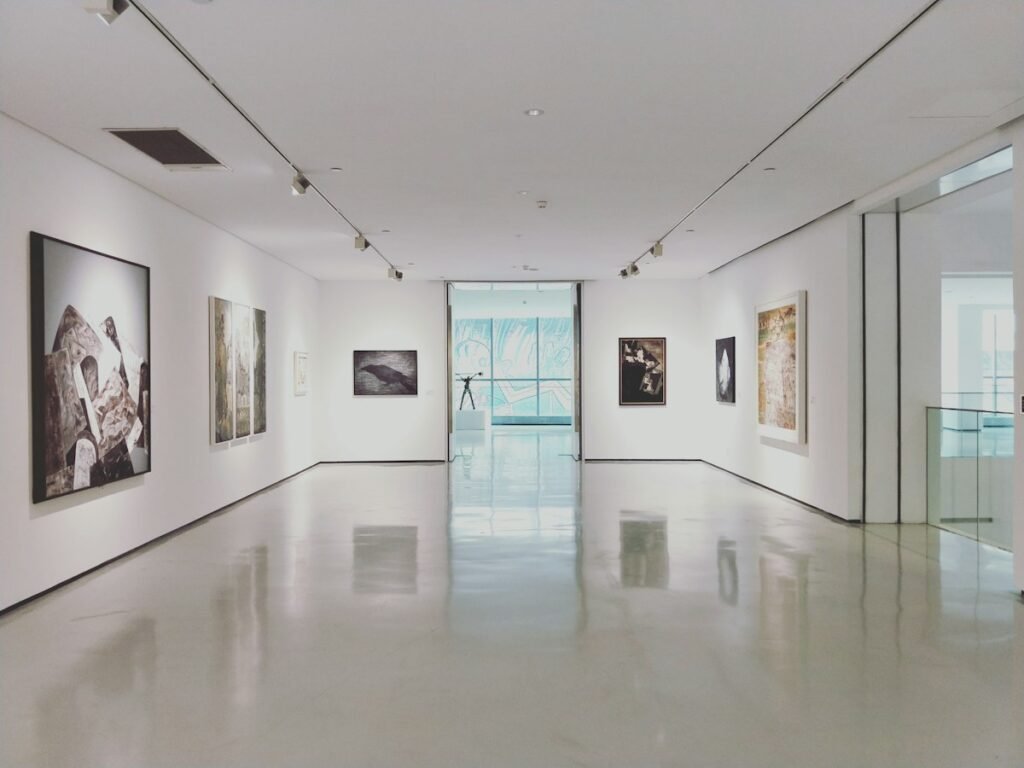
Cultural heritage connects people with the stories, knowledge, languages, art forms and traditions passed between generations. It can be seen in local crafts, music, food, architecture, literature, festivals and community practices. Preserving heritage does not mean resisting change; it means understanding what has shaped communities and carrying valuable knowledge forward thoughtfully.
What Is Cultural Heritage?
Cultural heritage includes tangible elements such as historic buildings, monuments, manuscripts and traditional objects. It also includes intangible heritage such as languages, oral histories, performing arts, craft skills, rituals and community knowledge. Natural places may also hold deep cultural significance.
Why Preservation Matters
Heritage can strengthen a sense of belonging, support intergenerational learning and help communities understand their history. Traditional crafts and performances can also provide livelihoods when supported fairly and sustainably. Learning about different traditions encourages curiosity and respect rather than stereotypes.
1. Learn From Elders and Community Knowledge Holders
Ask family members and local practitioners about songs, stories, recipes, crafts or customs. Record interviews only with permission, verify details where possible and respect requests to keep certain knowledge private.
2. Keep Languages and Stories Alive
Use family and regional languages in conversation, read literature and collect local stories. Young people can create bilingual notes or audio recordings, provided speakers consent and the material is shared responsibly.
3. Support Local Artists and Craftspeople
Attend cultural performances, visit craft markets and learn about the people who make traditional objects. Pay fair prices and avoid presenting community knowledge as your own creation without acknowledgement.
4. Explore Heritage Responsibly
When visiting historic places, follow site rules, avoid damaging structures, do not remove objects and use authorized guides or information where available. Share accurate information rather than repeating unverified legends as established history.
5. Bring Heritage Into Schools and Communities
Schools and community groups can organize oral-history projects, art workshops, local-history walks and cultural exchange days. Activities should include diverse voices and avoid suggesting that one community’s traditions are superior to another’s.
6. Use Digital Tools Thoughtfully
Digital archives, photographs, podcasts and educational videos can make heritage accessible. Check copyright, obtain consent for recordings and provide context. Sacred, private or sensitive cultural material should not be published merely because technology makes it easy.
Tradition and Change Can Coexist
Communities are not static. Traditions may evolve as people adapt to new circumstances. Preservation works best when communities themselves have a voice in deciding what to maintain, reinterpret or share.
Frequently Asked Questions
Can young people help preserve culture?
Yes. They can learn languages, interview willing elders, support artists, document local history responsibly and participate in community projects.
Does preserving tradition mean rejecting modern life?
No. Heritage can be sustained alongside modern education, technology and changing social needs.
How can schools teach cultural heritage respectfully?
Include accurate sources, multiple perspectives, community participation and respect for differences.
Conclusion
Cultural heritage stays meaningful when people learn it, question it thoughtfully and share it with care. Young people, families, educators and local communities can help preserve valuable knowledge while building a future that respects diversity.
Related Reading
Continue exploring useful resources from MASA World: