
From Street to Stadium: How Sports Can Transform Underprivileged Youth in India
12/18/20258 min read
The Power of Sports in Transforming Lives
Sports hold an influential position in shaping the lives of individuals, especially underprivileged youth in India. Engaging in sports can provide not only a pathway to improved physical health but also a means of fostering essential life skills. In the context of socio-economic challenges faced by youth in marginalized communities, the transformative power of sports becomes particularly evident. By participating in sports, these young individuals can overcome barriers that may have previously hindered their personal and social development.
In many parts of India, underprivileged youth often face the dual challenge of limited access to resources and exposure to adverse social environments. The prevalence of poverty can stifle aspirations, leaving little opportunity for personal growth or professional advancement. Nevertheless, sports serve as an equalizing platform, allowing youth from different backgrounds to come together, share experiences, and learn from one another. This inclusivity nurtures a sense of belonging and community, which is crucial for personal development in such challenging circumstances.
Moreover, involvement in sports fosters important skills such as teamwork, leadership, and commitment. These skills are instrumental not only in sports but also in academic and professional settings. The discipline required to train and compete can translate into improved educational outcomes, as youth learn to balance their time and prioritize their commitments. As they pursue their sporting aspirations, individuals can gain confidence in their abilities, ultimately unlocking new opportunities and pathways.
By delving deeper into the benefits of sports, we can uncover the profound impact it has on personal growth, education, and community engagement among underprivileged youth in India. The following sections will explore these aspects, showcasing how sports can be a catalyst for change and development in their lives.
Participating in sports can serve as a foundational pillar for developing discipline among marginalized youth. Engaging in regular training sessions necessitates adherence to a routine, which can cultivate a sense of structure in their daily lives. For many young athletes in India, particularly those from underprivileged backgrounds, establishing and maintaining a schedule for practice sessions not only instills a commitment to their sport but also teaches them essential life skills that extend far beyond the field.
Team sports, in particular, are instrumental in fostering discipline through a shared commitment among players. Each member relies on their teammates, creating an environment where accountability is paramount. When young individuals learn to work collaboratively towards a common goal, they develop respect for others, understanding the importance of their contributions to the team’s success. This addictive camaraderie reinforces the benefits of discipline as they must balance their personal aspirations with their responsibilities towards their peers.
Moreover, the culture of discipline inherent in sports provides young athletes with valuable lessons in time management. As they navigate the demands of practice, competition, and potentially their academic responsibilities, these young individuals learn to prioritize and allocate their time effectively. This ability to manage their commitments can lead to enhanced academic performance, as they apply the same skills learned on the field to their studies.
Ultimately, the rigorous training and dedication required in sports instills a sense of responsibility within these youths, encouraging them to pursue their goals with determination. By embracing discipline through sports, underprivileged youth not only enhance their athletic skills but also cultivate essential traits that can significantly impact their futures, leading to a more promising trajectory in life.
Confidence to Achieve: The Psychological Impact of Sports
Sports often serve as a powerful catalyst for personal growth, particularly among underprivileged youth in India. Participation in sports can significantly enhance self-esteem and confidence, offering participants a sense of accomplishment and belonging. Engaging in physical activities allows these young individuals to break away from their daily struggles, providing a mental and emotional uplift that can have lasting effects.
For many, the journey through sports is not merely about winning or losing; it is about overcoming obstacles and achieving personal milestones. Take, for example, the story of Arjun, a young athlete from a disadvantaged background who faced numerous challenges growing up. He discovered basketball as a means of escape and quickly found that through practice and teamwork, he was able to gain confidence in his abilities. As he progressed, Arjun transformed from a shy, uncertain boy into a poised player who now competes at higher levels, showcasing how sports can build not only physical strength but also mental resilience.
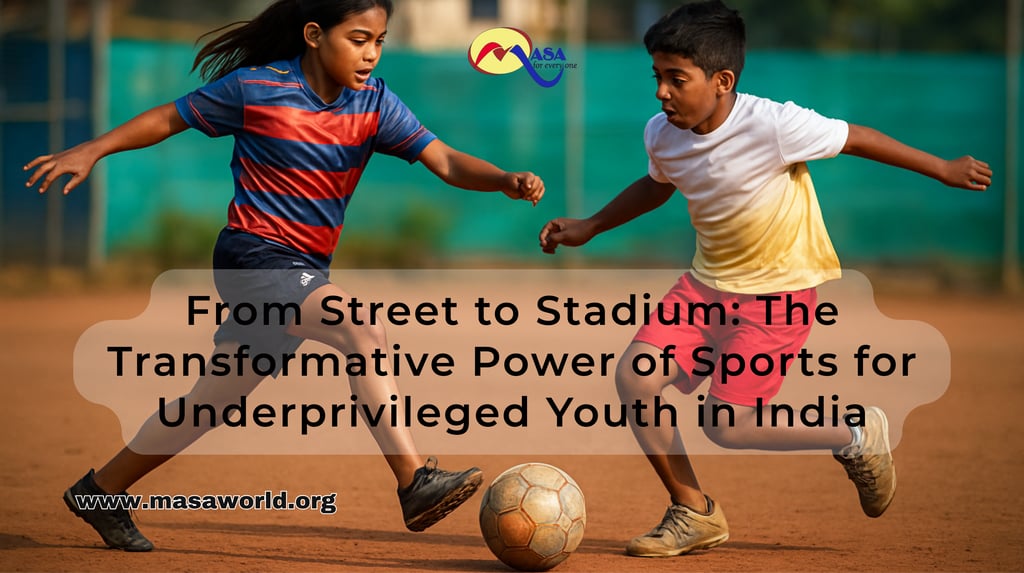
Similarly, Meera, a budding football player from a small village, has now become a local role model since joining her community team. Through her participation, she found a supportive environment that cultivated her self-worth and leadership skills. Success on the field translated into heightened self-confidence off the field, helping her excel in academics and engage more actively in her community affairs.
The psychological impacts of sports extend beyond personal stories. Studies show that youth who participate in sports are more likely to experience improved mental health, lower levels of anxiety, and a heightened sense of agency in their lives. Each of these factors plays a crucial role in the overall development of underprivileged youth, illustrating the profound psychological benefits of engaging in sports.
Education Opportunities Through Sports Programs
In India, grassroots sports NGOs and community programs have emerged as pivotal platforms for transforming the lives of underprivileged youth. By integrating sports into their educational framework, these organizations provide numerous pathways to academic success and career development. One of the most significant outcomes of these initiatives is the availability of scholarships, which can alleviate the financial burden on families and promote a culture of learning among young athletes.
Sports can act as a channel for youth to access higher education. Many sports programs partner with academic institutions to facilitate scholarships for talented athletes. These scholarships are not limited solely to sports-related studies; they often cover a range of academic disciplines, allowing young individuals to pursue their interests while benefiting from their athletic prowess. Accordingly, this dual focus enhances both educational and athletic competencies, instilling a sense of purpose and ambition in participants.
Moreover, mentorship initiatives within these sports programs play a crucial role in fostering personal growth and development. Experienced athletes and coaches often serve as mentors, guiding young participants through their educational journeys. They provide invaluable insights into balancing sports with academic responsibilities, encouraging a mindset geared towards achievement. This support network not only enhances the students’ life skills, such as teamwork and leadership, but also prepares them for future challenges in both their professional and personal lives.
Furthermore, the discipline and commitment nurtured through sports can open various career opportunities beyond athletics. Many young people, inspired by their experiences in sports, pursue careers in education, coaching, sports management, and health sciences. In this way, sports serve as a gateway to wider horizons, equipping youth with the tools necessary for success in diverse fields.
Life Skills and Social Development
Participating in sports offers a unique platform for underprivileged youth in India to develop essential life skills, which serve as a foundation for their personal and professional futures. One of the primary skills acquired through sports is leadership. When young athletes are given the opportunity to take charge of their teams, whether as captains or by contributing to collective decision-making, they learn how to inspire and motivate their peers. This experience fosters a sense of responsibility and confidence, attributes that are vital in any leadership role.
Moreover, communication is another critical life skill honed through sports. It requires players to effectively convey strategies, share feedback, and build strong relationships with teammates and coaches. As youth navigate various interactions within the sports arena, they cultivate the ability to express their thoughts clearly and listen actively, competencies that are essential in their future educational and professional environments.
Teamwork is an integral component of sports; it necessitates collaboration towards common goals and helps youth understand the importance of working with others to achieve success. This experience teaches them to appreciate diverse perspectives and fosters the ability to resolve conflicts amicably, paving the way for harmonious relationships in their personal lives and workplaces.
Furthermore, the social development aspects of engaging in sports cannot be overlooked. Through involvement in teams and leagues, youth build networks and friendships that are instrumental in their social adjustment. They learn to respect rules, develop sportsmanship, and cultivate empathy for others, characteristics that enhance their interactions beyond the sporting field.
In conclusion, the life skills acquired through sports—leadership, communication, and teamwork—are invaluable assets for underprivileged youth in India. By embracing these opportunities, they not only prepare themselves for professional challenges but also contribute to their social development, fostering a generation that is equipped for success.
Career Pathways: Beyond the Field
In recent years, sports have evolved beyond mere recreation for the youth of India, particularly in underprivileged communities. Engaging in sports offers numerous career pathways that can lead to fulfilling professional lives while also fostering personal development. The skills and discipline gained from sports involvement often translate effectively into various industries.
One prominent avenue for former athletes is coaching. Many sports enthusiasts find passion in guiding others, leveraging their expertise to nurture the next generation of players. Coaching positions range from grassroots levels in schools to professional teams, allowing individuals to impact young lives positively while immersing themselves in the sport they love. Additionally, coaching training programs are increasingly accessible, equipping passionate individuals with the necessary skills to lead effectively.
Another significant career opportunity arises in sports management. As the sports industry continues to grow, the demand for skilled managers increases across various sectors, including team management, event planning, and sports marketing. Professionals in these roles are crucial in negotiating contracts, organizing tournaments, and ensuring teams function smoothly. Courses and certifications in sports management are becoming more commonplace, providing aspiring managers with the knowledge and skills to excel.
Moreover, sports journalism has gained immense traction. Individuals with a knack for storytelling and a passion for sports can find rewarding careers under this umbrella. Reporting on sporting events, writing opinion pieces, or even producing documentaries centered on sports can be not just lucrative but also deeply fulfilling. Established journalists often emphasize the dynamic excitement of covering sports, enhancing their connection to the community while showcasing the journey of many athletes.
Lastly, fitness training, including roles such as personal trainers and fitness coaches, offers another pathway. The growing awareness of health and wellness ensures that skilled trainers are sought after, creating opportunities for former athletes to utilize their sports backgrounds to promote healthy lifestyles.
Many individuals have transitioned successfully into these professions, often citing their involvement in sports as a catalyst for their careers. These experiences illustrate the transformative power of sports, highlighting that a career in athletics can indeed extend well beyond the field.
Conclusion & Call to Action: Support the Future of Underprivileged Youth
The journey of underprivileged youth in India is marked by numerous challenges, but as highlighted throughout this blog post, the transformative power of sports provides a beacon of hope. Sport serves not only as a vehicle for physical fitness but also as a platform for personal development, life skill acquisition, and community engagement. By embracing sports, these youth can overcome socio-economic barriers, build self-esteem, and foster a sense of belonging while developing critical teamwork and leadership skills.
Moreover, investing in sports programs and NGOs dedicated to empowering young people can have lasting impacts on society. These organizations do not merely teach sports; they equip young individuals with the resilience and determination needed to navigate life’s complexities. Supporting such initiatives is crucial, as it helps create opportunities for these individuals to rise above their circumstances, showcasing their talents on larger stages—whether in local competitions or national arenas.
Therefore, we urge our readers to take actionable steps toward supporting these noble causes. Whether through financial donations, volunteering time, or helping to raise awareness of these important programs within your communities, every effort counts. By fostering a collective movement towards supporting underprivileged youth through sports, we can contribute to their growth and empowerment, paving the way for a more equitable future.
In summary, the potential of sports to transform the lives of underprivileged youth in India is both profound and promising. As we reflect on this, let us work together to support these young individuals, as their success stories not only benefit them but enrich our society as a whole.